

Some time ago, during a shoot, I told a model that I wanted her to look more like herself.
She stopped for a second and looked at me almost confused.
Then she said:
“This is not about me. It’s your vision. I need to embody it.”
I remember laughing nervously after that because I suddenly realized she understood something about my own work before I did.
At the time, I was still carrying unconsciously this idea that portraits were somehow tied to honesty. That a camera was supposed to reveal something authentic about the person standing in front of it. Maybe that comes from documentary photography. Maybe from growing up hearing that portraits capture the “true self” of someone.
I remember another moment from my beginer years.
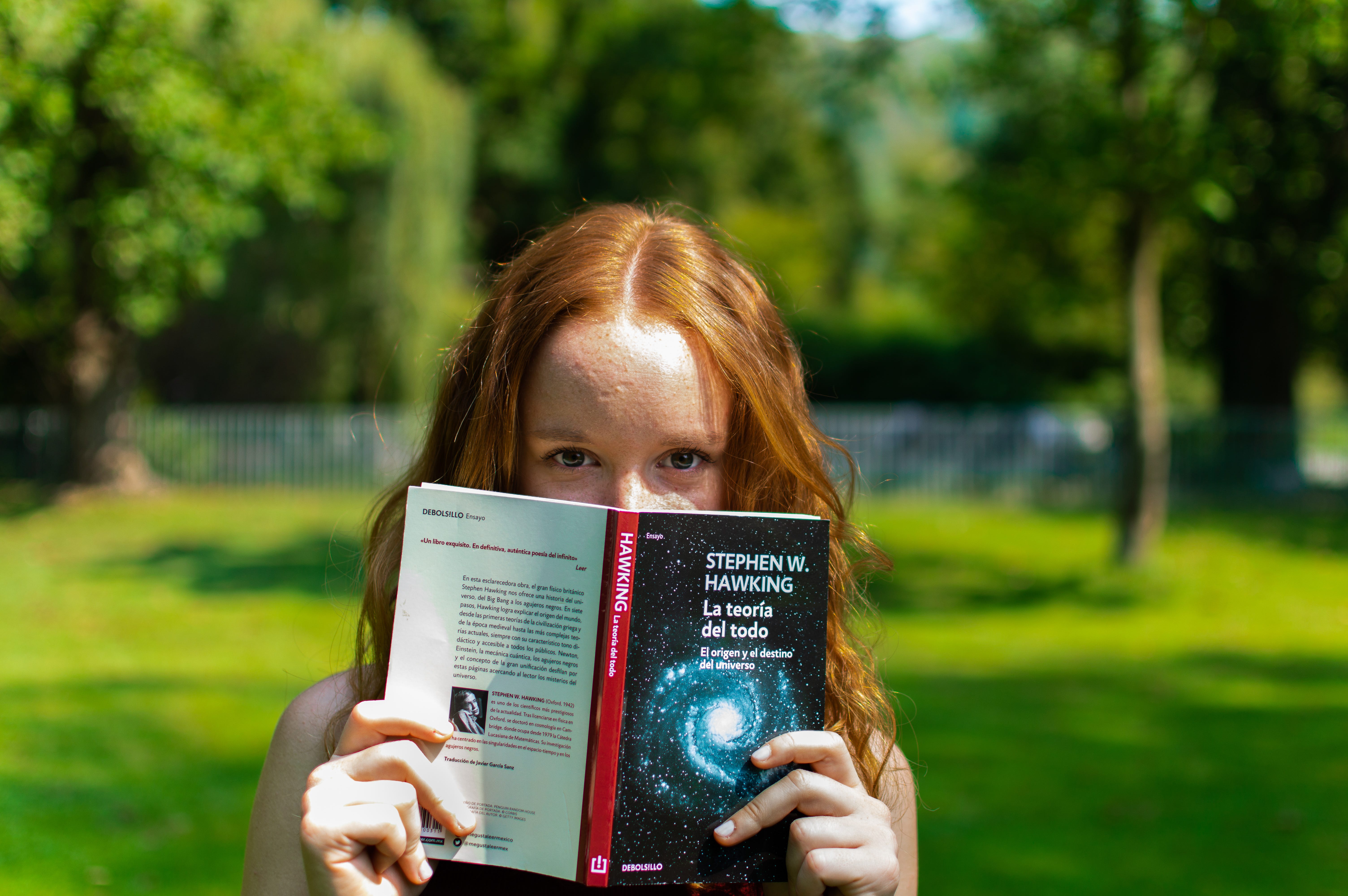
I had photographed a redheaded girl during one of my first attempts at portrait photography. In one of the images she was holding a book. Later, her father saw the photos and immediately said:
“Come on, that does not look like you. You would never read a book like that.”
I remember feeling offended by that comment. Almost defensive. As if the photograph had somehow failed.
Now I think the reaction only bothered me because I was still trapped inside the idea that portraits were supposed to function as truthful representations of people.
But honestly, that was never really my intention.
At least not completely.
I was never trying to document women faithfully in the way people usually expect photography to do. What interested me was something much closer to atmosphere. A temporary emotional reality.
The image usually begins long before the shutter. Sometimes with music. Sometimes with a coat, a pair of shoes, the texture of a room, a cigarette, a conversation. Sometimes simply from seeing someone and imagining another version of reality around them for a moment.
I know this sounds uncomfortable to say now because so much conversation around photography immediately turns into discourse about projection, control, the male gaze, authorship. I became very aware of that early on, especially online. I think part of the reason I told that model to “look more like herself” was because I wanted to escape that tension. I wanted her to feel included in the image instead of reduced by it.
But the strange thing is that she already was included, because no subject ever enters a photograph passively. The collaboration starts before the camera even rises. Through styling. Through hesitation. Through interpretation. Through the way someone decides to inhabit an atmosphere.
You suggest a direction and the other person decides how to exist inside it.
That part matters more to me now than authenticity.
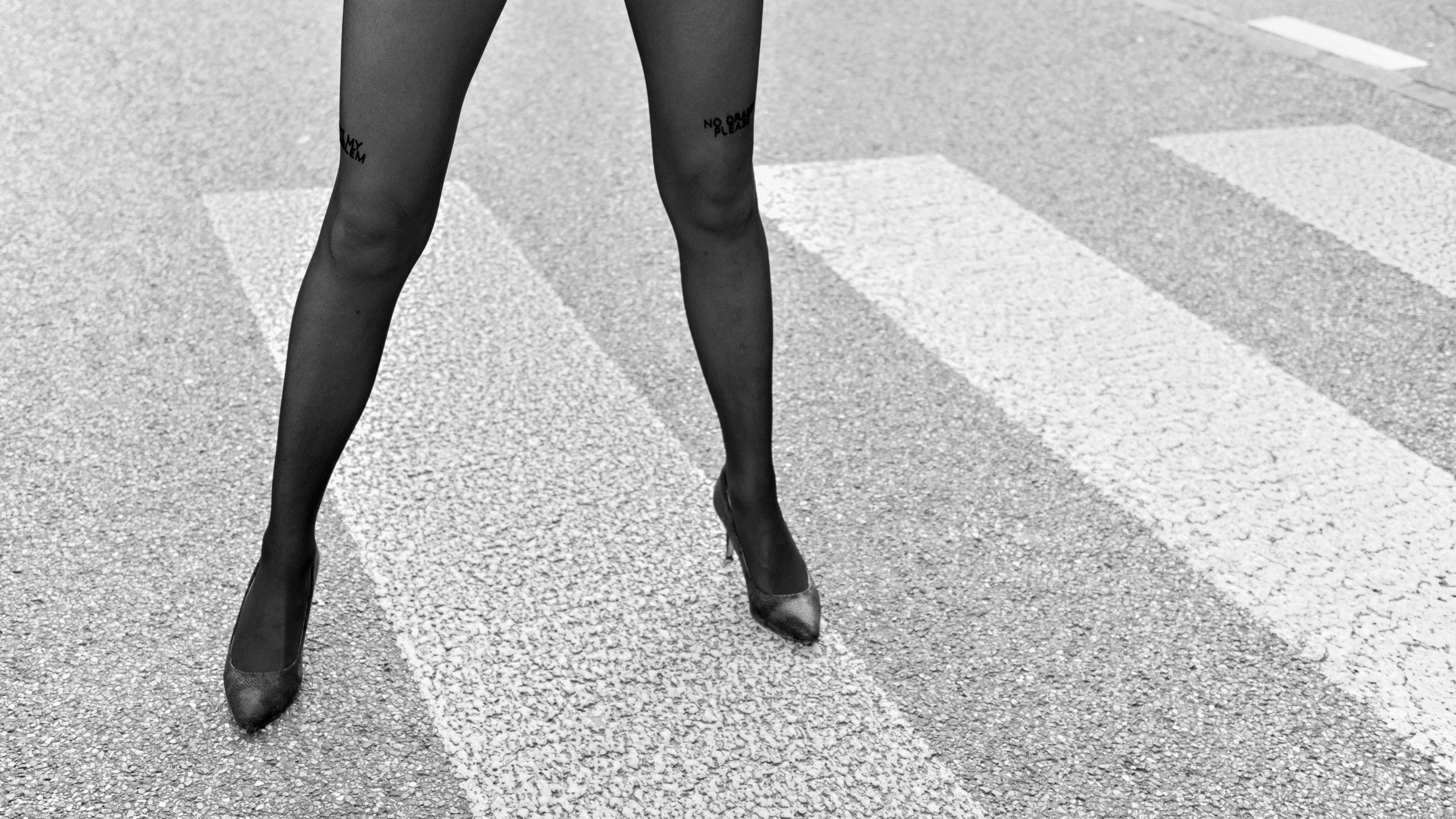
I have photographed women who had never worn pantyhose before. The transformation is sometimes almost immediate, although transformation is probably the wrong word. It is subtler than that. The room changes a little. The rhythm changes. Someone suddenly becomes aware of posture and movement The image begins separating itself from ordinary life.
Not completely. Reality always leaks back in.
That is probably why I no longer think of many of the women I photograph as “models,” even if technically that is what they are. The word feels too connected to presentation, fashion, self-display. What interests me is closer to performance.
A subject enters a small fictional world for an hour or two.
And fiction is important here because photography is still culturally treated as evidence. People look at portraits and instinctively assume they are discovering who somebody really is. They see a girl holding a book and ask whether she would actually read it. They see dark clothes, cigarettes, silence, melancholy, and start searching for biography inside the frame.
But I have always been more interested in emotional truth than literal truth.
Cinema understands this instinctively. Nobody watches a film and complains that a character probably would not smoke that way in real life. We accept stylization there. We accept atmosphere. Somehow photography still scares people when it drifts too far from documentation.
Maybe because cameras inherited the burden of realism.
The subjects I photograph are never entirely invented, but they are not simply “themselves” either.
Sometimes the most beautiful moments happen exactly there, in that unstable space.
And maybe that is why I never fully connected with the idea of capturing the “true self” of someone.
What interests me more is the moment a person enters an atmosphere and quietly negotiates with it. The moment somebody starts embodying an emotional world that did not exist a few minutes earlier. Just coexisting with it long enough for the camera to catch something fragile before ordinary reality returns.
— Count Obscura