Last march I was present in one of the most interesting Swiss traditions.
Tschäggättä is a tradition from the Lötschental valley in Switzerland, with roots that go back centuries. Its exact origin remains unclear. Some connect it to older seasonal rituals, others to local folklore. What is documented is that references to the practice appear in the 19th century, and some of the surviving masks date back to the late 1700s.
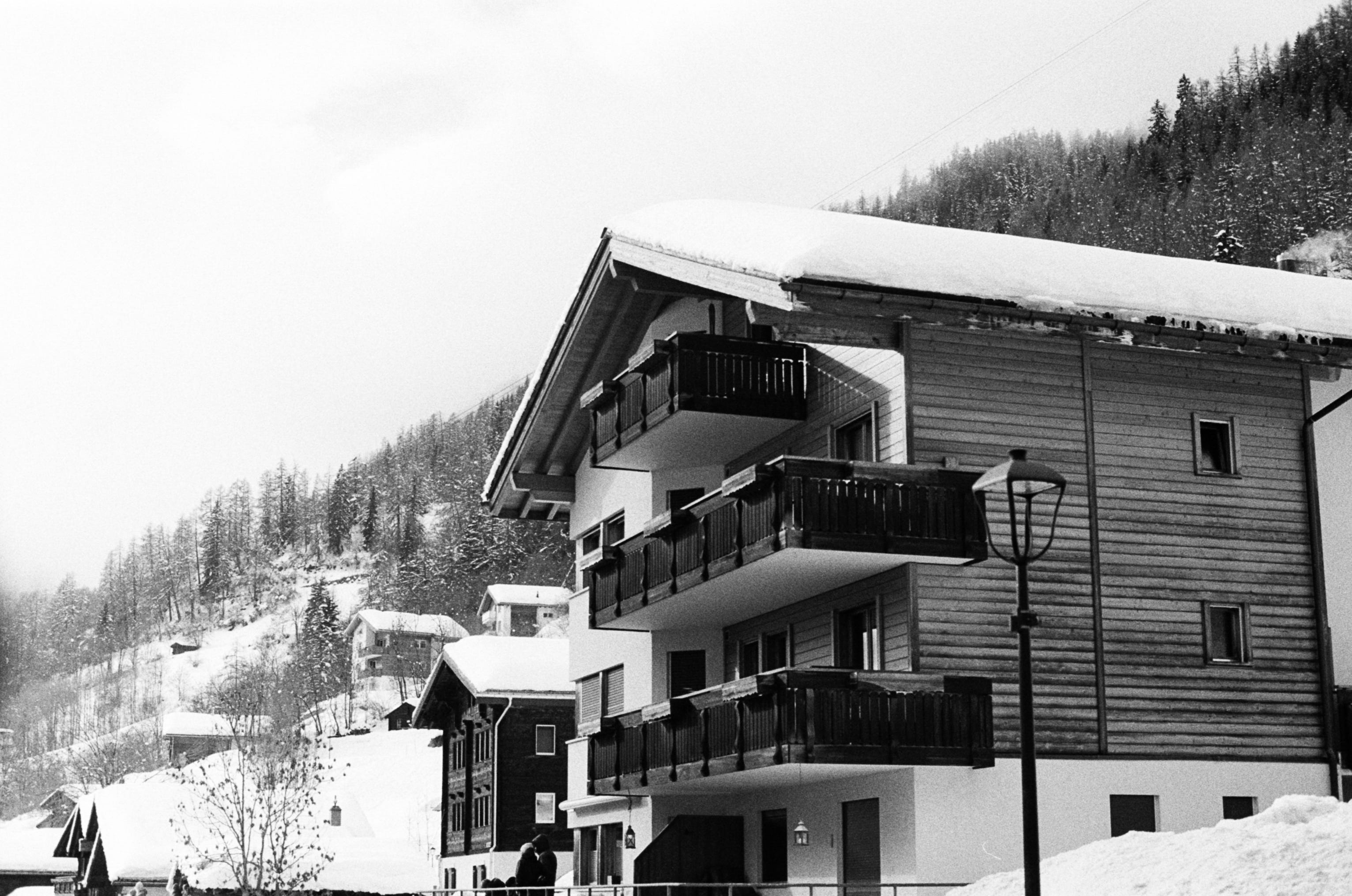
The valley itself has long been relatively isolated, and the tradition still feels strongly tied to the people who live there. Most of the participants are locals. There is no sense of performance in the conventional way, even though today it exists within the broader context of Fasnacht and its public parades.
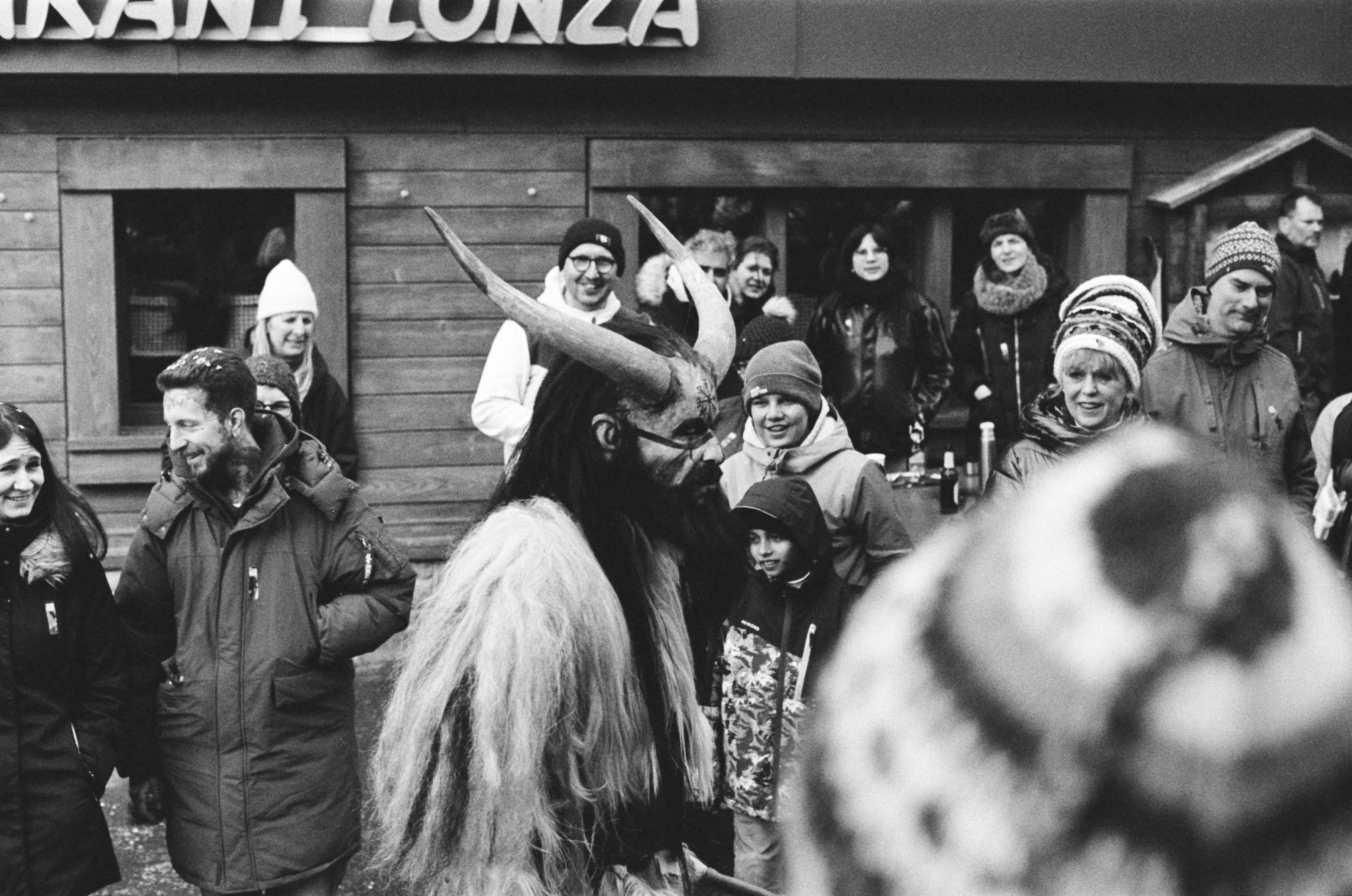
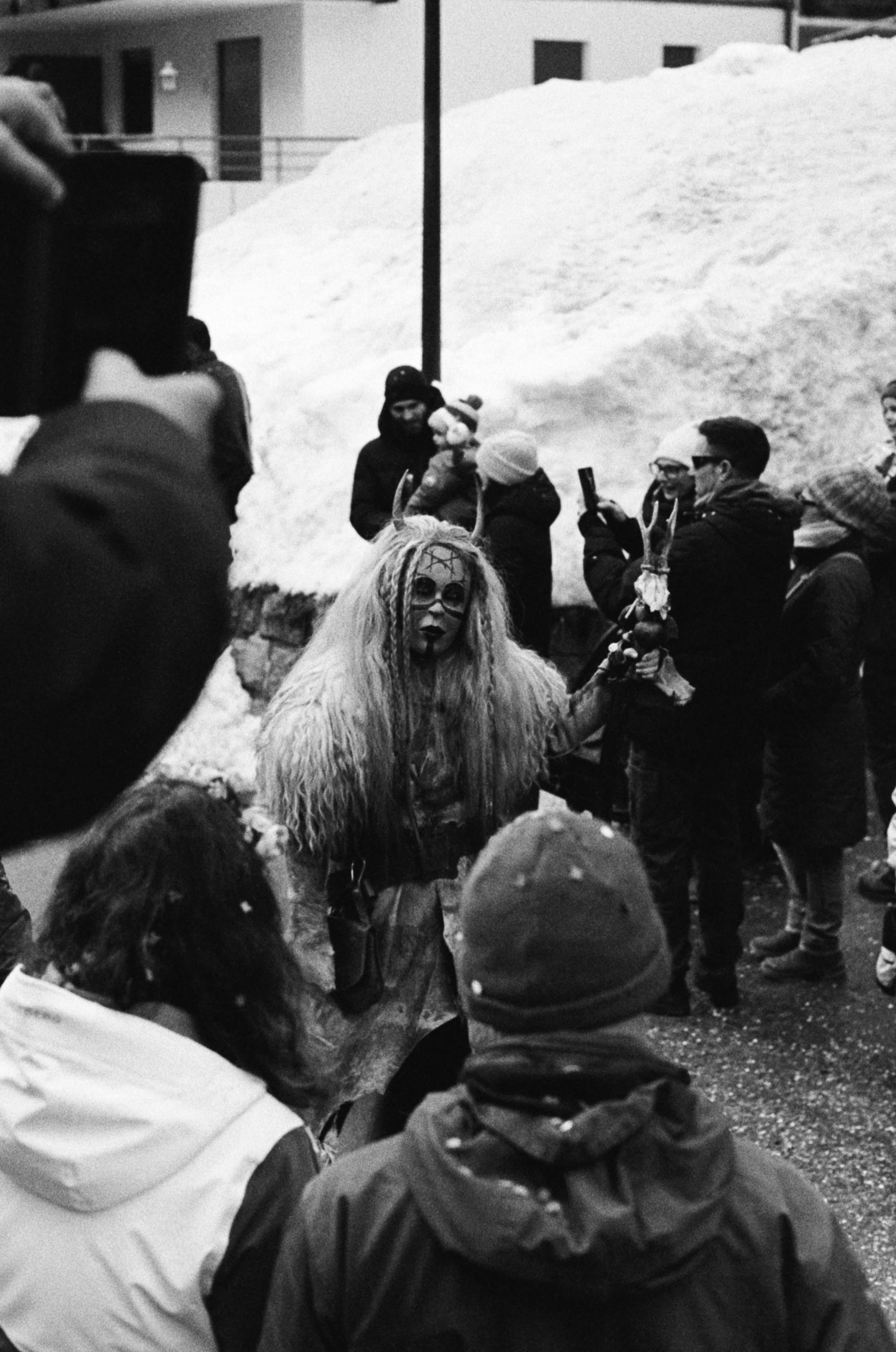
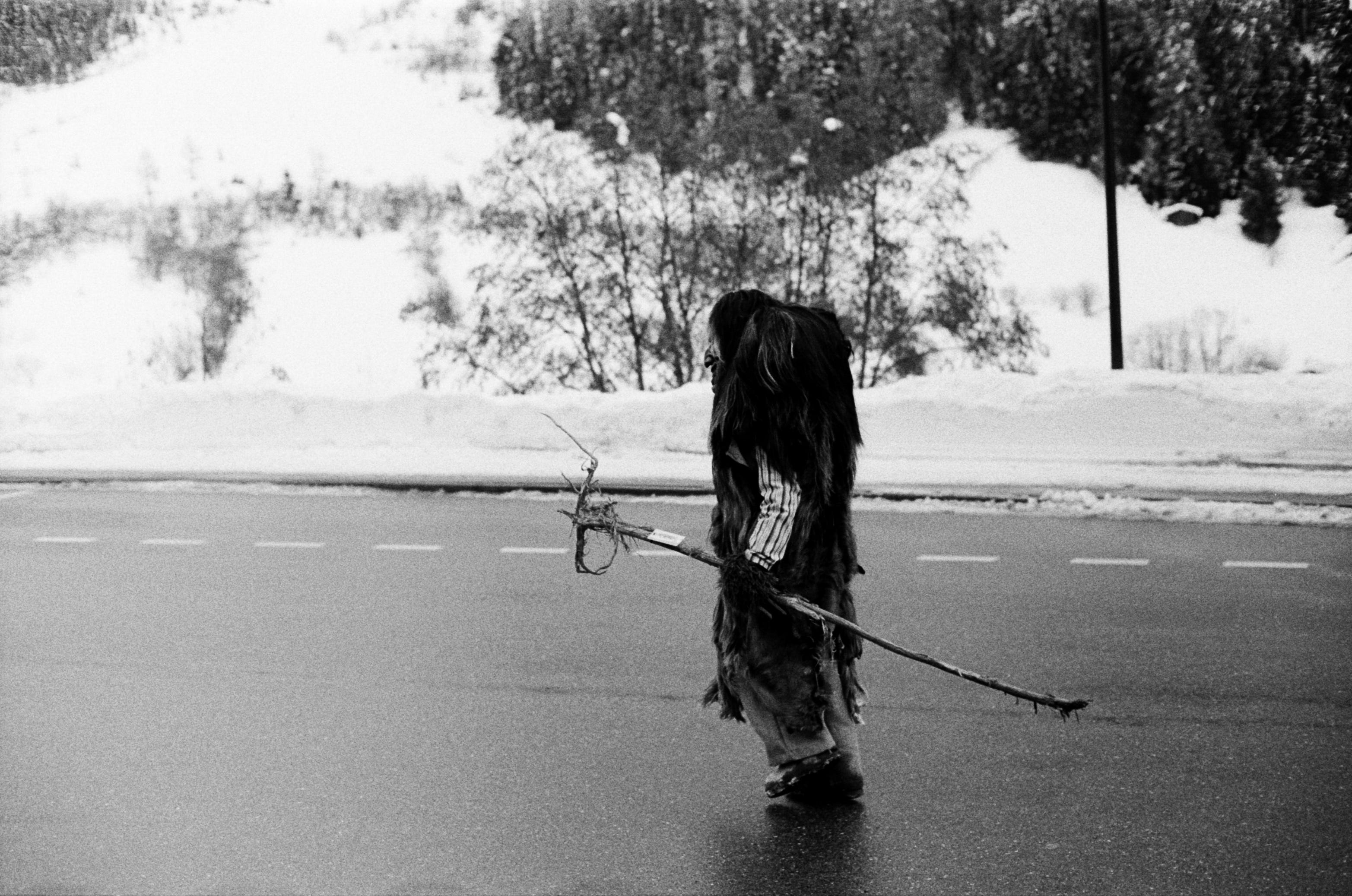
The masks are hand-carved, often from wood, combined with fur and heavy materials. They carry a physical presence that is difficult to reduce to costume. Each one feels slightly different, shaped by the hand that made it and the time it has endured.
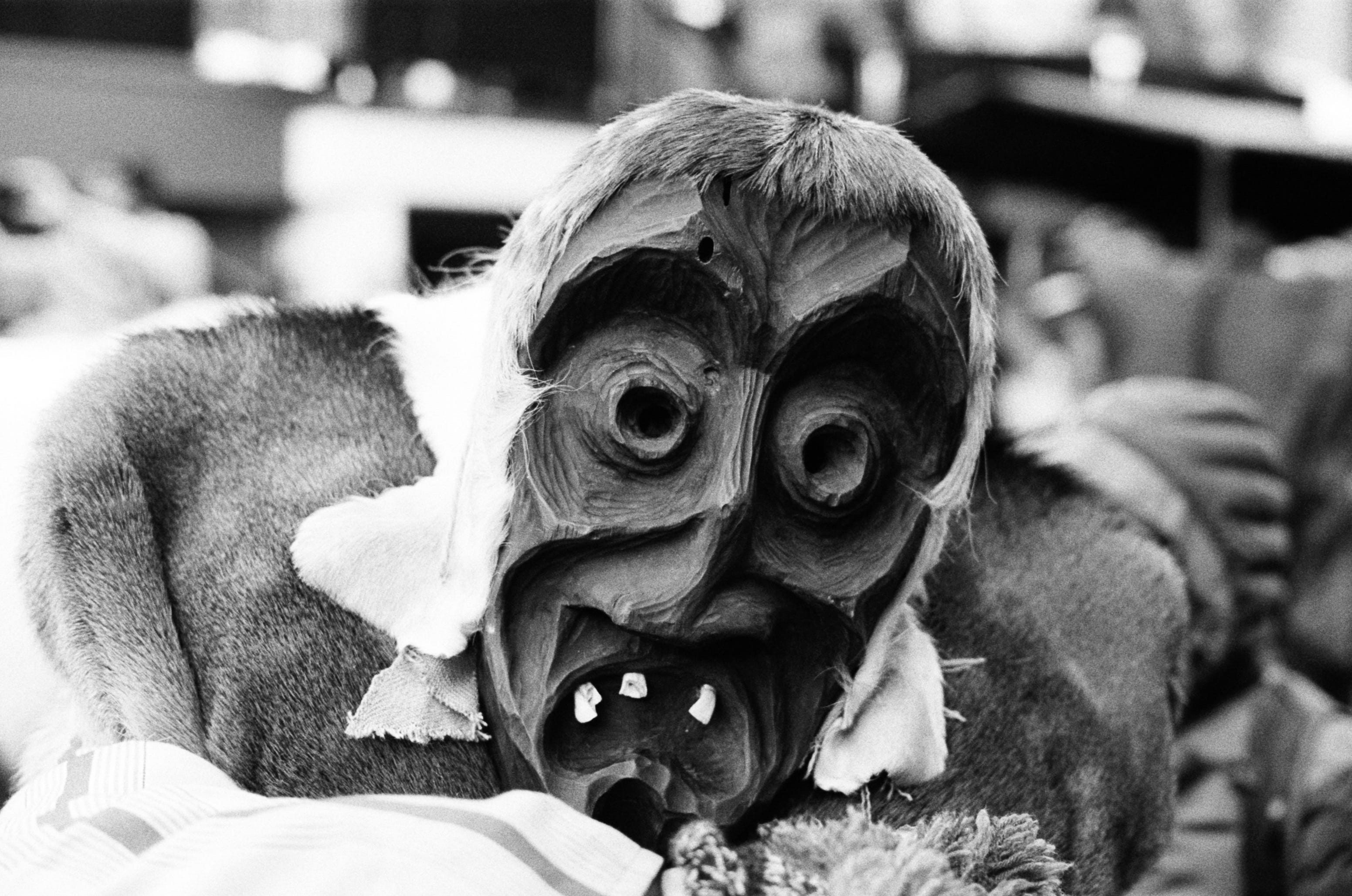
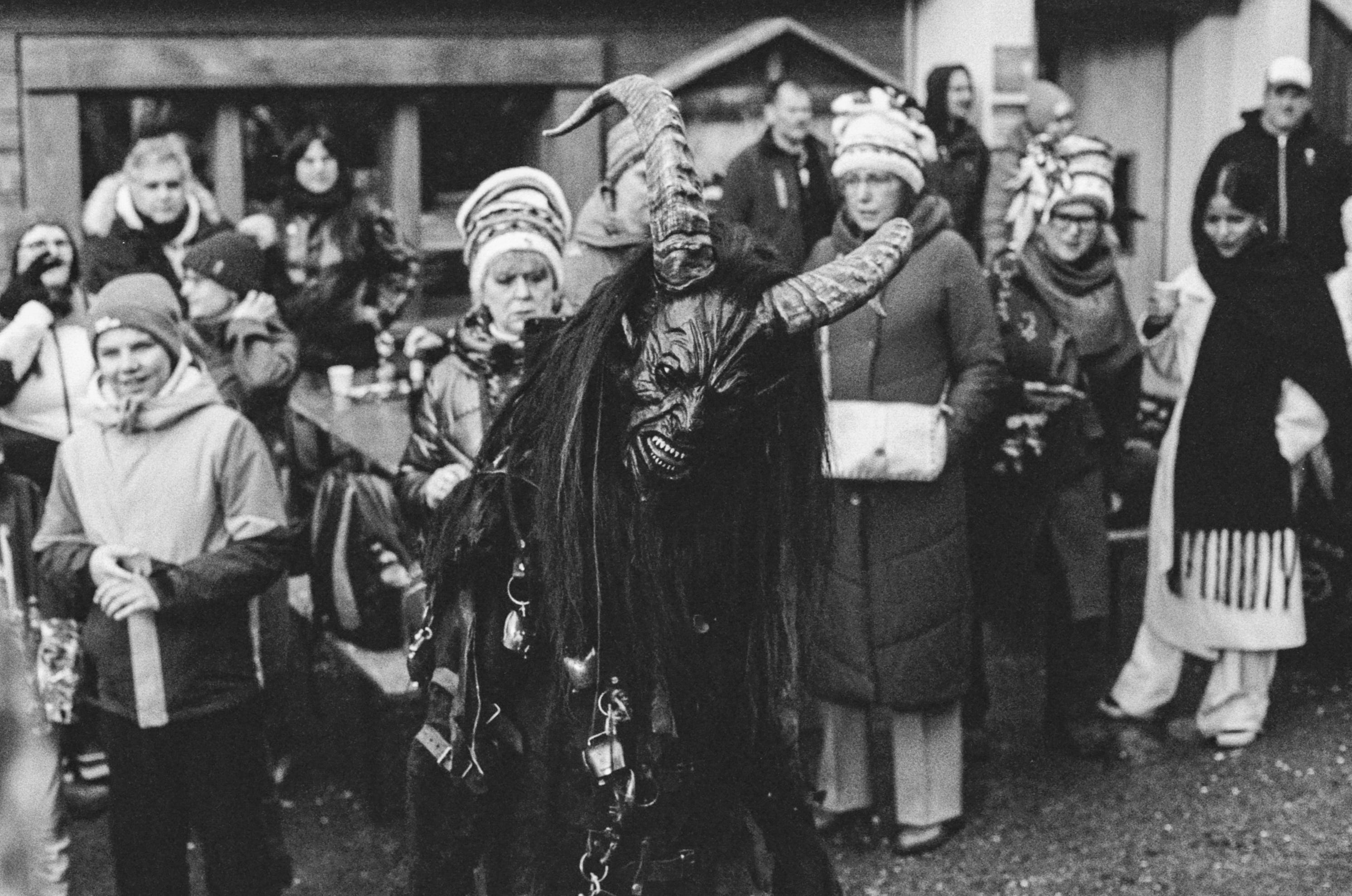
What stayed with me was the coexistence. These figures moving through a crowd of winter jackets, people holding up smartphones, documenting something that was not originally meant to be documented and, suddenly they will come and scare you or hold you around their arms.
I photographed this using a Nikon F2 with Kodak Tri-X 400. Black and white allowed me to focus on texture and contrast, the rough surfaces of carved wood, the density of fur, the way these elements stand against the softness of snow and the constant movement of the crowd.
There is no clear boundary between past and present here, at least to me.